


Dear Reader,
September 20th was a particularly bad day to be Friedrich Merz.
The chancellor admitted his CDU losses in state elections in Berlin and Mecklenburg-Western Pomerania amounted to a “disaster”, yet insisted that he’ll stay the course. Meanwhile, his approval barely hovers in the double digits, and two- thirds of Germans don’t expect him to make it to the 2029 federal election.
Critics float some version of the same argument: heed the cries of “Merz muss weg,” put someone more popular in the Bundeskanzleramt and maybe, just maybe, Germany can get back on track.
So let’s try a little thought experiment. Imagine Merz disappears from the Chancellery tomorrow and, instead of Hendrik Wüst or Markus Söder… Angela Merkel walks back in.
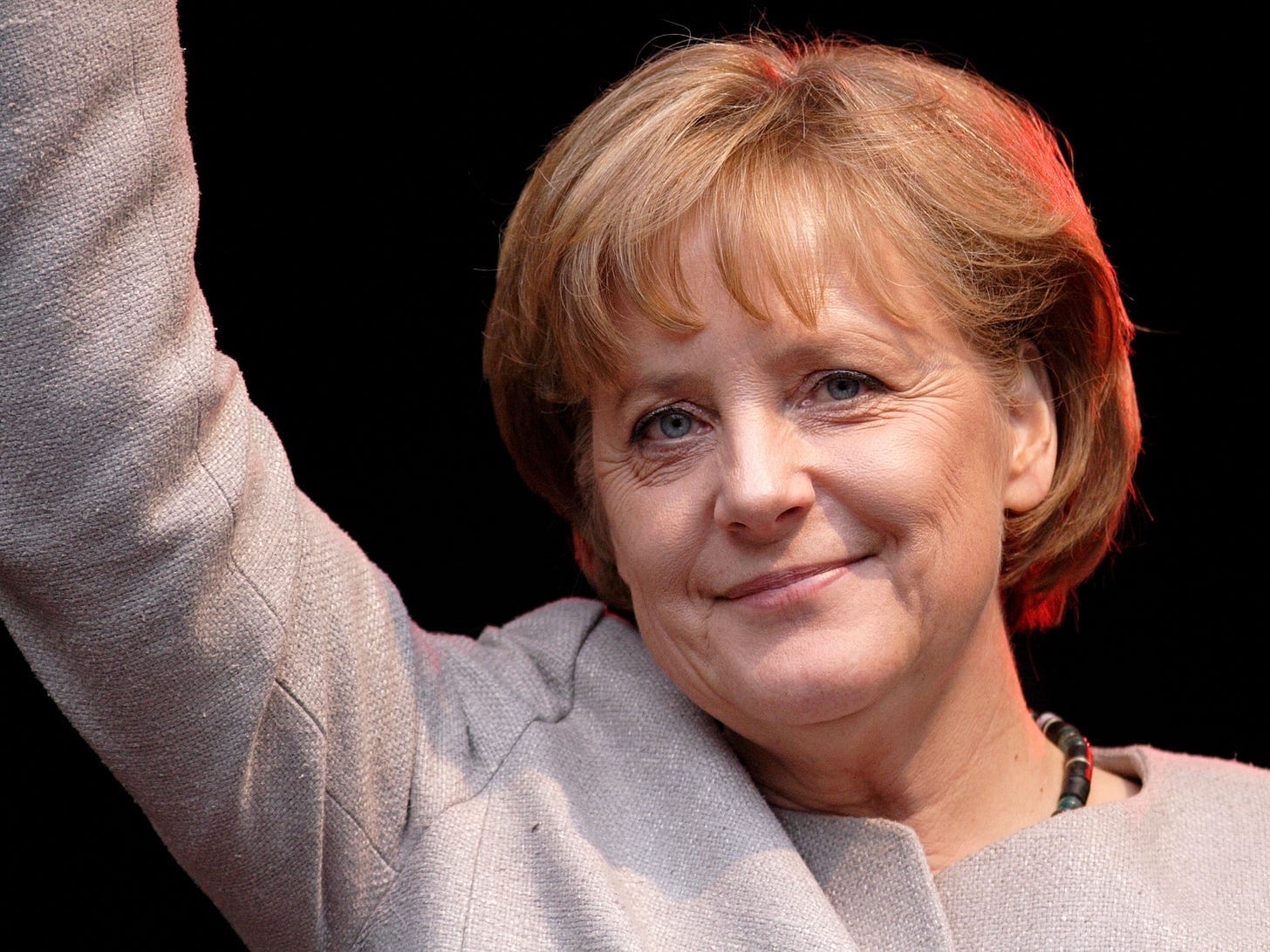
Yes, that Merkel. Germany’s chancellor of sixteen years. The one who steered the country through the financial crisis, the euro crisis, the refugee crisis and the pandemic – a long string of successes that earned her the moniker Mutti, the mother of the nation. Even in September 2016, amid bitter arguments over her refugee policy, just under half of Germans said they were satisfied with Merkel’s work. For Merz, that would be an extraordinary level of approval.
Part of the difference boils down to communication. Where Merkel was understated and cautious, Merz is emphatic and speaks from the hip. Where she was calm, he is emotional. Merkel was also skilled at compromise, moving towards the centre, and blurring distinctions with her opponents.
Given the instability since she retired, it’s hardly surprising that some Germans still look back with nostalgia on the Merkel years.
But would Germany really be better off under her chancellorship right now?