The German Review

The German Review

Why Germany Is Turning to Vietnam and Southeast Asia to Reduce Its China Dependence

Germany is courting Vietnam and Southeast Asia to reduce its reliance on China for trade and rare earths. Can this new Asia strategy really work?

Jörg Luyken's avatar
Jörg Luyken
Nov 14, 2022
∙ Paid
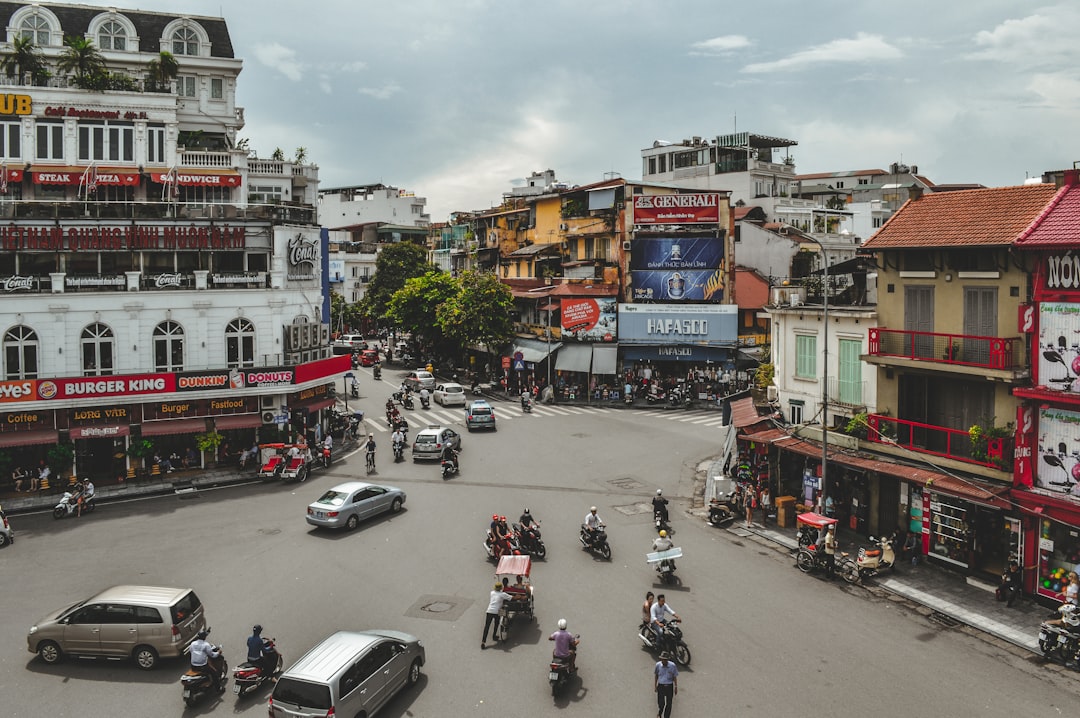
cars and motorcycles on road during daytime
Photo by Josh Stewart on Unsplash

The Story

Olaf Scholz is currently touring South East Asia, where he wants to open up new markets for German industry and thus reduce dependencies on China. 

Yesterday he was in the Vietnamese capital, Hanoi. Today he’s taking part in a German economic conference in Singapore: Tomorrow he’s off to the G20 summit on the Indonesian island of Bali.

“We need to expand our markets, our supply chains, raw material sources and production locations so that we don't become dependent on individual countries and suppliers,” Scholz said.

Some of those raw materials are so-called rare earth metals, which, among other things, are crucial for the construction of wind turbines. The EU currently imports 99 percent (!) of its rare earth metals from China, despite Vietnam and Brazil both having large reserves. 

Vice-Chancellor Robert Habeck of the Greens, who has made no secret of his wish to pursue a more aggressive ‘decoupling’ from China, is also in Singapore.

Before headin…

Keep reading with a 7-day free trial

Subscribe to The German Review to keep reading this post and get 7 days of free access to the full post archives.

Already a paid subscriber? Sign in
© 2026 Jörg Luyken · Privacy ∙ Terms ∙ Collection notice
Start your SubstackGet the app
Substack is the home for great culture